|

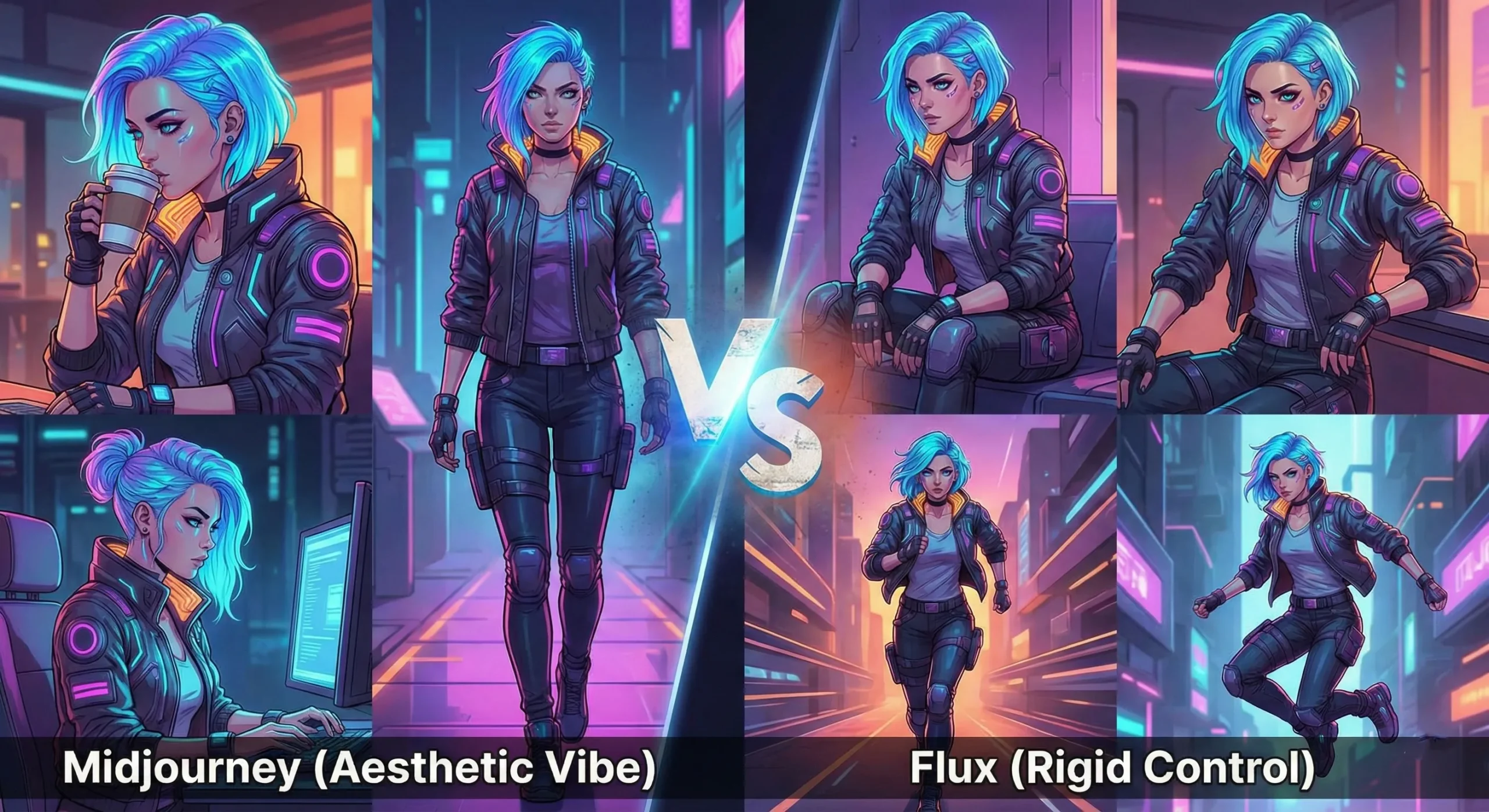
Character Consistency: Midjourney vs. Flux

Character Consistency: Midjourney vs. Flux

If you have ever tried to make an AI comic book or a storyboard, you know the pain.

You generate a stunning protagonist in Scene 1. Let’s call her “Maya, a cyberpunk hacker with a neon blue undercut.” She looks perfect.

Then you write the prompt for Scene 2: “Maya sitting in a cafe drinking coffee.”

Suddenly, Maya has a bob cut. Her jacket changed from leather to denim. Her face structure looks like she aged ten years or turned into her own cousin. The immersion is broken.

For years, this “Shapeshifter Problem” was the wall that separated “cool AI art” from “actual storytelling.” But in 2026, the wall is crumbling. We now have specific tools designed to lock in a character’s identity.

We put the two heavyweights—Midjourney and Flux—to the test. Here is who wins the Consistency Battle.

The Contender: Midjourney (The --cref King)

Midjourney remains the king of aesthetics, but its “Character Reference” (--cref) feature is what storytellers rely on.

  • How it works: You generate your “Master Image” of Maya. You copy the URL. Then, in your next prompt, you add --cref [url].
  • The Experience: It is shockingly good at capturing the vibe and facial features. In our test, Midjourney kept Maya’s neon hair and facial structure consistent about 85% of the time.
  • The Downside: Midjourney is stubborn. It loves to “prettify” things. If you try to put Maya in a gritty, ugly situation, the AI fights you to make it look cinematic. It also struggles with specific clothing consistency. Maya’s face stays the same, but her outfit tends to hallucinate new zippers and pockets in every frame.

The Challenger: Flux (The Control Freak)

Flux (specifically the specialized fine-tunes available in 2026) has taken the open-source world by storm.

  • How it works: Flux relies on “LoRAs” (Low-Rank Adaptation). Think of it as a mini-brain training. You upload 10 photos of a character, and the model learns who they are.
  • The Experience: This is the professional’s choice. Once Flux “knows” Maya, it doesn’t just guess; it understands her geometry. You can rotate her, change the lighting, or put her in a spacesuit, and the face remains identical.
  • The Downside: The learning curve is steep. You aren’t just typing a prompt; you are managing a workflow. You need a decent GPU or a cloud host like Fal.ai or Replicate to run it efficiently.

The Verdict: Which One Do You Need?

Choose Midjourney if: You are making a mood board, a pitch deck, or a children’s book where “close enough” is okay. It is fast, easy, and the lighting is always beautiful. The --cref tag is enough to fool the casual eye.

Choose Flux if: You are building a graphic novel or a recurring brand mascot. If you need the character to wear the exact same logo on their shirt in panel 1 and panel 50, Flux is the only tool that offers that level of rigid consistency.

The days of the shapeshifter are over. Pick your weapon and start telling your story.

Similar Posts

  • ·

    ChatGPT vs. Claude vs. Jasper: Which AI Writing Assistant Actually Rules in 2026?

    Let’s be honest. Back in 2023, we were all just happy the magic trick worked. You typed a prompt, and a robot wrote a poem. Mind blown.

    But we are in 2026 now. The novelty has worn off. Now, we just need the work done.

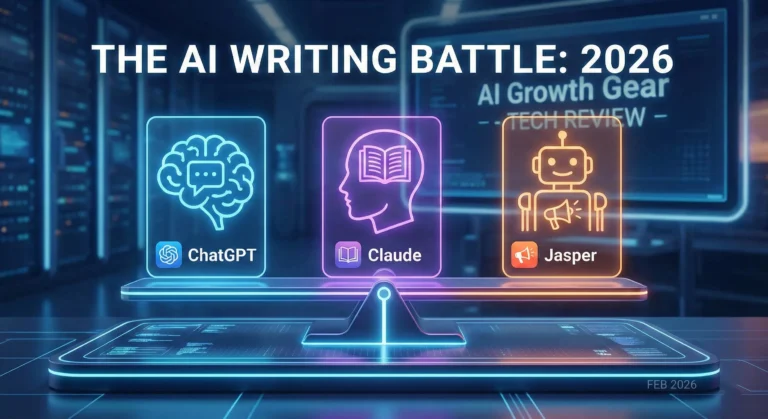
    My team and I have spent the last month putting the internet’s three heavyweights into the ring: ChatGPT (OpenAI), Claude (Anthropic), and Jasper.

    If you are confused about where to spend your monthly subscription budget this year, this battle post is for you. We tested them on marketing copy, creative nuance, and the ultimate test: Does it sound like a human?

    The Contenders

    1. ChatGPT (The Swiss Army Knife): With the GPT-5 / 4o updates, this isn’t just a chatbot anymore. It’s an ecosystem. It sees, it hears, it codes. But can it write a blog post without sounding like a corporate press release?
    2. Claude (The Writer’s Muse): Anthropic’s model (specifically Claude 3.5 Sonnet & Opus) has quietly become the cult favorite among professional writers in New York and London. The claim? It understands “nuance” better than anyone.
    3. Jasper (The Marketing Machine): Jasper stopped trying to be a “chatbot” years ago. In 2026, it’s a full-blown enterprise marketing platform. It doesn’t just write; it manages brands.

    Round 1: The “Human” Test (Writing Quality)

    The Challenge: Who writes text that doesn’t make readers roll their eyes and say, “AI wrote this”?

    ChatGPT: Look, GPT-4o is incredibly smart. It’s a genius. But it writes like a genius who is trying too hard to impress his boss. It loves words like “unleash,” “digital landscape,” and “delve.” It plays it safe. If you ask it for a LinkedIn post, you get a generic, emoji-filled wall of text that screams “AI.” It’s unbeatable for brainstorming, but for a final draft? It usually needs a heavy human edit.

    Claude: This is where Claude steals the show. The ‘Sonnet’ model understands rhythm. It varies sentence length. It uses metaphors that actually make sense. Most importantly, it doesn’t sound like it swallowed a thesaurus. If you are writing long-form blogs, newsletters, or even fiction, Claude’s flow is significantly more natural than ChatGPT. It feels like a creative partner, not a text generator.

    Jasper: Jasper isn’t trying to be Shakespeare; it’s trying to be your Brand Manager. It might not have the soulful prose of Claude, but its “Brand Voice” feature is elite. If your brand tone is “witty and punchy,” Jasper locks onto that and never lets go. ChatGPT often drifts back into “robot mode” after a few paragraphs; Jasper stays in character.

    🏆 Winner: Claude (For pure writing quality)


    Round 2: The “Workflow” Test (Features & Utility)

    ChatGPT: Its superpower is Multimodality. You’re writing an article and need a custom image? DALL-E generates it instantly. Need to analyze a CSV file for data to put in that article? It does that too. With ‘Custom GPTs’, you can build mini-tools for specific tasks. It is the ultimate “Generalist.”

    Claude: Two words: Artifacts and Projects. Claude’s ‘Projects’ feature is a game-changer for writers. You can upload your entire library of previous work, style guides, and research papers into a “Project.” Claude then writes from that knowledge base without you needing to re-upload files every chat. It remembers context better than any other tool right now.

    Jasper: If you run a team, Jasper is the winner. In 2026, their “AI Agents” are impressive. You don’t just ask it to write a blog; you tell it to “Create a Campaign.” It writes the blog, turns that blog into five social posts, writes the email newsletter to promote it, and creates the Google Ad copy—all in one workflow. It’s not just an editor; it’s a Project Manager.

    🏆 Winner: Jasper (For Teams/Agencies) / ChatGPT (For Multitasking)


    Round 3: The “Value” Test (Bang for Your Buck)

    • ChatGPT Plus ($20/mo): You get image generation, web browsing, data analysis, and voice mode. It’s the best value if you want one tool that does a little bit of everything.
    • Claude Pro ($20/mo): If you are strictly a writer or coder, this is the best money you can spend. But remember, no image generation.
    • Jasper (Starts ~$39-49/mo): It’s pricey. For a solo freelancer, it might be overkill unless you are churning out massive amounts of client work. But for a marketing agency? It pays for itself in one day.

    The Verdict: What Should You Buy in 2026?

    Here is my no-nonsense take:

    1. You are a Solopreneur / Blogger / Novelist: 👉 Get Claude. The writing is simply better. You will spend less time editing and more time creating.
    2. You are a “Jack of All Trades” (You code, design, and write): 👉 Stick with ChatGPT. It is the Swiss Army Knife you need in your pocket.
    3. You run a Marketing Agency or Business Team: 👉 Invest in Jasper. The Brand Voice control and collaborative workflows will save your team hundreds of hours. It’s not a tool; it’s a teammate.

    So, which corner of the ring are you in? Are you Team Human (Claude) or Team Powerhouse (ChatGPT)? Let me know in the comments below.

  • ·

    Best AI Marketing Tools for Small Businesses to Automate Marketing and Grow Faster

    Marketing is one of the biggest challenges for small businesses. Entrepreneurs often need to manage content creation, advertising, social media, email campaigns, and analytics — often with limited time and resources.

    This is where AI marketing tools for small businesses are changing the game.

    Artificial intelligence can now automate many marketing tasks that previously required a full marketing team. AI tools can generate ad creatives, write marketing copy, schedule social media posts, analyze campaign performance, and optimize marketing strategies.

    For entrepreneurs, bloggers, freelancers, and online business owners, AI marketing tools provide a powerful advantage: better results with less effort.

    In this guide, we’ll explore the best AI marketing tools for small businesses that can help automate marketing workflows, improve campaign performance, and accelerate growth.


    A young entrepreneur working on a laptop while AI marketing dashboards display ad performance, social media scheduling, and analytics tools used by small businesses for marketing automation.
    A small business owner using AI marketing tools to manage ads, social media scheduling, and analytics from a single dashboard.

    Why AI Marketing Tools Matter for Small Businesses 🚀

    Small businesses often struggle with limited time, budget, and resources. AI tools help solve these challenges by automating key marketing activities.

    ⏳ Save Time

    AI tools automate repetitive tasks such as:

    • Writing marketing copy
    • Designing ad creatives
    • Scheduling social media posts
    • Generating blog content
    • Analyzing marketing data

    This allows entrepreneurs to focus on strategy and growth instead of repetitive work.


    💰 Reduce Marketing Costs

    Hiring a full marketing team can be expensive.

    AI tools allow small businesses to perform tasks that normally require:

    • Copywriters
    • Designers
    • Social media managers
    • Marketing analysts

    This significantly lowers marketing expenses.


    📊 Improve Marketing Performance

    AI tools analyze data quickly and suggest improvements like:

    • Better ad creatives
    • High-performing content ideas
    • Optimal posting schedules
    • Improved audience targeting

    These insights can help businesses achieve higher ROI from marketing campaigns.


    Quick Tool Summary ⚡

    Best Overall: AdCreative.ai
    Best Budget Option: Copy.ai
    Best for Social Media Marketing: Ocoya
    Best for Content Marketing: Jasper AI
    Best for Marketing Automation: HubSpot AI
    Best for SEO Content: Surfer SEO


    Best AI Marketing Tools for Small Businesses 🧠


    Comparison infographic of AI marketing tools for small businesses highlighting features such as ad creation, AI copywriting, social media automation, content generation, and SEO optimization.
    Comparison infographic showing popular AI marketing tools like AdCreative.ai, Copy.ai, Ocoya, Jasper AI, and Surfer SEO for small business marketing.

    1. AdCreative.ai 🎯

    AdCreative.ai is one of the most powerful AI advertising tools designed to generate high-converting ad creatives automatically.

    Instead of manually designing ads, businesses can use AI to generate optimized ad visuals based on proven marketing data.

    Key Features

    • AI-generated ad creatives
    • Conversion-focused design suggestions
    • Ad copy generation
    • Creative scoring for performance
    • Integration with major ad platforms

    Pros

    ✔ Generates ads in seconds
    ✔ Optimized for advertising campaigns

    Cons

    ✖ Most useful for businesses running regular ads
    ✖ Requires some experimentation

    Best For

    Businesses running Facebook Ads, Google Ads, and display campaigns.

    Try AdCreative.ai here


    2. Copy.ai ✍️

    Copy.ai is a popular AI writing tool designed to generate marketing content quickly.

    The platform helps businesses create blog posts, product descriptions, ad copy, and email marketing content.

    Key Features

    • AI marketing copy generator
    • Blog writing tools
    • Email marketing templates
    • Social media caption generator
    • Content idea generation

    Pros

    ✔ Easy to use
    ✔ Fast content creation

    Cons

    ✖ AI output may require editing
    ✖ Limited customization

    Best For

    Entrepreneurs who need quick marketing copy and content ideas.

    Affiliate Call-To-Action

    Try Copy.ai here


    3. Ocoya 📱

    Ocoya is an AI-powered social media marketing platform that combines content creation, scheduling, and analytics.

    It helps businesses generate posts and automatically publish them across multiple social media platforms.

    Key Features

    • AI social media captions
    • Automated post scheduling
    • Graphic design tools
    • Social media analytics

    Pros

    ✔ Excellent for social media automation
    ✔ Multi-platform integrations

    Cons

    ✖ Analytics features are limited
    ✖ Advanced features require paid plans

    Best For

    Small businesses managing multiple social media platforms.

    Try Ocoya here


    4. Jasper AI 📝

    Jasper AI is one of the most advanced AI writing tools for marketing and content creation.

    It helps marketers generate blog posts, landing pages, and marketing campaigns.

    Key Features

    • Long-form AI writing
    • Marketing copy templates
    • AI brand voice customization
    • SEO-friendly content creation

    Pros

    ✔ High-quality AI writing
    ✔ Ideal for content marketing

    Cons

    ✖ Higher pricing
    ✖ Content may require editing

    Best For

    Bloggers and marketers focused on content-driven growth.

    Try Jasper AI here


    5. HubSpot AI 🤖

    HubSpot integrates AI into its marketing automation platform.

    The tool provides advanced features for email marketing, lead generation, CRM automation, and analytics.

    Key Features

    • AI email generation
    • Marketing automation workflows
    • CRM integration
    • Campaign analytics

    Pros

    ✔ Complete marketing ecosystem
    ✔ Powerful automation tools

    Cons

    ✖ Expensive for small startups
    ✖ Advanced features require premium plans

    Best For

    Businesses managing large marketing campaigns and sales funnels.


    6. Surfer SEO 🔎

    Surfer SEO helps businesses create SEO-optimized content that ranks on Google.

    The platform analyzes top-ranking pages and provides real-time optimization suggestions.

    Key Features

    • Content optimization
    • Keyword suggestions
    • SEO score tracking
    • SERP analysis

    Pros

    ✔ Excellent for SEO-driven content
    ✔ Data-backed recommendations

    Cons

    ✖ Requires some SEO knowledge
    ✖ Paid plans can be expensive

    Best For

    Bloggers and marketers focused on organic traffic growth.


    AI Marketing Tools Comparison Table 📊

    ToolBest ForKey FeaturePricing
    AdCreative.aiAdvertisingAI ad creativesPaid
    Copy.aiCopywritingAI marketing copyFreemium
    OcoyaSocial mediaAI schedulingPaid
    Jasper AIContent marketingLong-form writingPaid
    HubSpot AIAutomationCRM marketingPaid
    Surfer SEOSEO marketingContent optimizationPaid

    Practical Use Cases for AI Marketing Tools 💡

    AI marketing tools can transform how small businesses operate.

    Social Media Automation

    AI tools can:

    • Generate social media posts
    • Schedule content automatically
    • Analyze engagement performance

    Ad Campaign Creation

    AI can quickly generate:

    • Ad visuals
    • Ad headlines
    • Targeting suggestions

    Content Marketing

    AI tools can produce:

    • Blog posts
    • Email newsletters
    • Product descriptions
    • Website content

    Benefits and Limitations ⚖️

    Benefits

    ✔ Faster marketing execution
    ✔ Lower marketing costs
    ✔ Improved campaign performance
    ✔ Better marketing insights


    Limitations

    ✖ AI-generated content may need editing
    ✖ Over-automation can reduce brand personality
    ✖ Some tools require learning time


    Best AI Writing Tools for Bloggers in 2026: Tools That Actually Improve Content

    How to Get Started with AI Marketing Tools 🛠️

    If you’re new to AI marketing, follow this simple process.

    Step 1

    Choose one or two tools based on your marketing needs.

    Step 2

    Use AI to automate repetitive tasks such as content creation and social media scheduling.

    Step 3

    Monitor campaign performance using analytics.

    Step 4

    Expand your AI marketing stack as your business grows.


    AI-powered marketing funnel showing content creation, advertising campaigns, analytics tracking, and business growth automation.
    Illustration of an AI-powered marketing funnel showing how content, ads, analytics, and automation work together to drive business growth.

    Conclusion 🎯

    Artificial intelligence is transforming digital marketing, allowing small businesses to compete with larger brands.

    The best AI marketing tools for small businesses help automate content creation, advertising, and social media management while improving efficiency.

    Tools like AdCreative.ai, Copy.ai, and Ocoya allow entrepreneurs and marketers to scale their marketing efforts without large teams or huge budgets.

    By adopting AI marketing tools today, businesses can build smarter marketing strategies and unlock new growth opportunities.

  • ·

    Cinematic Showdown: Google Veo vs. Runway vs. Sora (2026 Comparison)

    In the film world, choosing a camera is a statement of style. An Arri Alexa feels different than a RED. In 2026, choosing an AI Video Generator is no different. You are choosing the “soul” of your footage.

    At AI Growth Gear, we’ve put the top three engines through a rigorous “Director’s Test.” Here is how they stack up for professional agency use.

    The Competitors at a Glance

    FeatureGoogle Veo 3.2Runway Gen-4.5OpenAI Sora 2
    Primary StrengthIntegrated Audio & 4K ClarityGranular Creative ControlNarrative Logic & Physics
    Best ForReady-to-use Social AdsHigh-End Brand FilmsLong-Form Storytelling
    WeaknessCan feel “too perfect”Steep learning curveLimited public API access

    1. Google Veo 3.2: The “All-in-One” Workhorse

    Google has leveraged its vast data to create the most stable engine. The standout feature in 2026 is Native Audio Synchronization. When Veo generates a video of a car splashing through rain, it generates the exact sound of that splash perfectly synced to the frame.

    • The Aesthetic: It leans toward commercial realism. It’s vibrant, sharp, and safe.
    • The Director’s Take: “If you need an ad for a UK real estate firm or a US tech startup that needs to look ‘Apple-clean’ in ten minutes, Veo is your gear.”

    2. Runway Gen-4.5: The Artist’s Precision Tool

    Runway remains the favorite for those of us with a NIFT or film background. Their “Motion Brush 3.0” and “Director Mode” allow you to tell the AI exactly where to move the camera (pan, tilt, zoom) and which specific elements should move within the frame.

    • The Aesthetic: Moody, textured, and artistic. It handles “Cinematic Grain” and lighting better than anyone else.
    • The Director’s Take: “Runway doesn’t just ‘generate’; it ‘collaborates.’ It’s the only tool that lets me maintain a specific brand texture without the AI taking over the creative wheel.”

    3. OpenAI Sora 2: The Physics Master

    Sora 2 is still the king of Spatial Consistency. If a character walks behind a tree and comes out the other side, they look identical. Most other AIs still “glitch” the details. Sora understands that a glass of water should reflect the room, and gravity should pull objects down naturally.

    • The Aesthetic: Hyper-realistic and expansive. It excels at wide, sweeping “Drone” shots.
    • The Director’s Take: “Sora is for the ‘Big Picture.’ It’s perfect for world-building or creating complex scenes where physical logic cannot be compromised.”

    The Verdict: Which Gear Should You Pick?

    • Choose Google Veo if your priority is Speed and Sound. It’s the ultimate tool for high-volume content agencies where “done is better than perfect.”
    • Choose Runway if your priority is Aesthetic Control. If your brand relies on a specific “look” or mood, Runway is the only tool that respects your creative direction.
    • Choose Sora if your priority is Realism and Scale. When the physics of the scene must be flawless, Sora is the undisputed leader.

    Our Recommendation for 2026

    For most boutique agencies, a Runway + Veo hybrid workflow is the winner. Use Runway to create the “Hero” visuals that define your style, and use Veo to quickly scale the supporting content with integrated sound.

  • ·

    High-ROI AI Ad Platforms for Solo Businesses

    If you are a solo entrepreneur or running a boutique agency targeting the US and UK markets, you already know the pain of sky-high Cost Per Clicks (CPCs). Competing in high-value B2B and SaaS niches means you are going up against massive corporate marketing budgets.

    To win, you can’t just throw money at Google and Meta and hope for the best. You need an advertising ecosystem that acts faster and smarter than a human media buyer ever could. Programmatic advertising and AI-driven ad optimization used to be reserved for Fortune 500 companies. Today, they are the secret weapons for lean digital businesses looking to spend large budgets with surgical precision.

    Here at AI Growth Gear, we constantly test the backend systems that drive real revenue. Operating under the Enoxx News Private Limited umbrella, Editor-in-Chief Ajay K Saklanii emphasizes that scaling digital growth requires removing human error from ad bidding. Here are the top AI advertising platforms to automate and scale your media buying in 2026.

    Albert.ai: The Autonomous Media Buyer

    Most AI ad tools are essentially just analytics dashboards that tell you what you should do. Albert.ai is different—it is a true autonomous doer.

    The Agency Play: Albert plugs directly into your existing search, social, and programmatic tech stack. Instead of a junior media buyer logging in daily to tweak bids, Albert analyzes the landscape and makes micro-adjustments 24/7. It shifts budgets toward high-performing channels, pauses fatiguing creatives, and actively bids based on real-time market conditions. If you are managing multiple high-ticket client accounts, Albert acts as an entirely automated performance marketing department.

    Lemon AI: The Predictive ROAS Engine

    When you are spending heavily on user acquisition (UA), waiting 90 days to see if a campaign is profitable is a luxury solo businesses don’t have. Lemon AI focuses heavily on predictive analytics to eliminate that waiting game.

    The Agency Play: Lemon AI’s models analyze user behavior almost immediately after an interaction (like an app install or a lead form submission) and predict that user’s Lifetime Value (LTV) and Return on Ad Spend (ROAS). For boutique agencies running campaigns in gaming, e-commerce, or B2B SaaS, this means you can aggressively scale up winning campaigns within days—rather than weeks—because the AI has already predicted the long-term profitability of the traffic.

    AdRoll: The Cross-Channel Retargeting Giant

    In the B2B world, high-value clients rarely convert on the first click. The buying journey is long, and staying top-of-mind is critical. AdRoll remains one of the most powerful platforms for closing the loop on your hard-earned traffic.

    The Agency Play: AdRoll consolidates your audience data and follows your highest-intent visitors across the web. Whether they are scrolling through a news site, checking their social feeds, or watching streaming content via Connected TV (CTV), AdRoll’s AI dynamically serves them hyper-relevant retargeting ads. It takes the guesswork out of cross-channel attribution, ensuring your brand stays visible exactly where your prospects spend their time.

    Bidscube: The Programmatic Trading Floor

    Programmatic advertising involves buying ad space in real-time milliseconds before a webpage loads. Historically, navigating Demand-Side Platforms (DSPs) and Ad Exchanges required a massive agency setup. Bidscube democratizes this ecosystem.

    The Agency Play: Bidscube provides the infrastructure that allows solo operators to bid on premium ad inventory globally. Its algorithms analyze hundreds of data signals—from device IDs to contextual relevance—in less than 100 milliseconds to place your ads in front of the right eyes at the lowest possible clearing price. It gives lean agencies omnichannel scale and complete cost transparency, ensuring every cent of a client’s large ad budget is deployed efficiently.

    The Bottom Line

    Managing a six-figure ad spend shouldn’t require a ten-person team. By leveraging platforms like Albert.ai, Lemon AI, AdRoll, and Bidscube, boutique agencies can compete on the global stage. These tools optimize bids, predict revenue, and secure premium inventory automatically, turning ad operations into a high-ROI, self-driving machine.

  • ·

    Digital Doubles: HeyGen vs. Synthesia – Choosing Your AI Presenter for 2026

    In business, communication is everything. Whether it’s training your global sales force, delivering personalized video messages to thousands of leads, or creating consistent brand explainers, the demand for engaging video is immense. The traditional approach—hiring presenters, booking studios, shooting, editing—is a bottleneck for even the most agile teams.

    This is where AI Avatar & Business Presenters step in. These aren’t just text-to-speech tools; they create convincing digital humans who can speak your message in multiple languages, with realistic expressions and lip-sync. For businesses in the US and UK looking to scale their video output without scaling their production budget, these platforms are a game-changer.

    At AI Growth Gear, we’ve evaluated the leading platforms with our “Director’s Lens,” focusing on realism, brand integration, and operational efficiency. Here’s how the top two—HeyGen (Avatar IV) and Synthesia—compare for your business.

    The Contenders at a Glance

    FeatureHeyGen (Avatar IV)Synthesia
    Primary StrengthUltra-Realistic Digital TwinsEnterprise-Grade Library & Compliance
    Best ForPersonalized Sales, UGCCorporate Training, Explainers
    WeaknessCustom avatars require more inputStock avatars can feel less unique

    1. HeyGen (Avatar IV): The Ultra-Realist

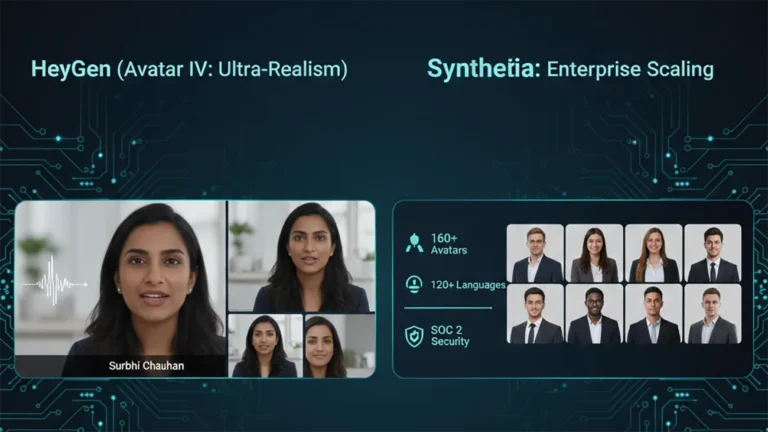
    HeyGen’s latest iteration, Avatar IV, is pushing the boundaries of what’s possible in AI avatar realism. Its “Digital Twin” feature allows businesses to create incredibly lifelike avatars of actual employees or spokespersons from minimal video footage. The subtlety of facial expressions and natural-sounding voice clones are truly impressive.

    • The Aesthetic: Aimed squarely at hyper-realism. If you want your AI presenter to be indistinguishable from a real human, HeyGen is currently leading the pack. It masters the minute details, making it ideal for maintaining a personal touch at scale.
    • The Director’s Take: “HeyGen is for when ‘authentic’ means ‘looks like you.’ It’s unparalleled for personalized sales videos, founder messages, or any content where the presenter’s unique identity is key. It allows a boutique agency to maintain its human brand persona without physically being in every video.”

    2. Synthesia: The Enterprise Powerhouse

    Synthesia has been the long-standing leader in the corporate AI video space, and for good reason. It boasts an extensive library of over 160 diverse stock avatars and 120+ languages, coupled with robust SOC 2 compliance for data security. Its platform is built for scalable, professional use cases across large organizations.

    • The Aesthetic: Polished, professional, and consistent. While its stock avatars are highly realistic, they aim for broad appeal rather than individual uniqueness.
    • The Director’s Take: “Synthesia is the workhorse of the enterprise. If you need to produce hundreds of consistent training modules, international onboarding videos, or routine explainers, its sheer volume of customizable options and security features make it the undisputed choice. It ensures your corporate communication is slick and reliable across the board.”

    The Verdict: Which Digital Double is Right for You?

    • Choose HeyGen if your priority is Personalization and Ultra-Realism. If you need your AI presenter to look and sound exactly like a specific person to build trust or enhance a unique brand identity.
    • Choose Synthesia if your priority is Scalability and Corporate Readiness. If you require a vast library of diverse avatars, multi-language support, and enterprise-grade security for consistent, high-volume video production.

    Our Recommendation for 2026

    For many agencies, the ideal setup might involve a blend: HeyGen for high-impact, personalized, and client-facing content, and Synthesia for internal training, broad-reach explainers, or situations requiring a diverse range of stock avatars. Both tools excel at making video production accessible, but they serve different strategic objectives.

  • ·

    Predictive AI Marketing Software: Stop Churn Before It Happens

    For solo entrepreneurs and boutique agency owners, there’s a silent killer that’s far more damaging than a bad month of sales: churn. You spend countless hours and thousands of dollars acquiring a new high-value client in the US or UK, only to have them quietly slip away through the back door six months later. It’s the classic leaky bucket problem.

    Historically, fixing churn was a reactive game. You’d conduct an exit interview after the client had already left to find out what went wrong. At AI Growth Gear, a division of Enoxx News Private Limited, we believe true digital growth comes from securing your backend financial stability first. That means moving from reactive firefighting to proactive prediction.

    Thanks to a new wave of accessible AI tools, you no longer need a team of data scientists to predict the future. You can now use the data you already have to flag at-risk clients before they cancel. Here are the top predictive AI marketing software platforms that are helping lean businesses turn retention into a science in 2026.

    Pecan AI: The Democratization of Predictive Modeling

    Until recently, building a predictive churn model required a PhD in data science. Pecan AI has changed that by building a low-code platform designed for business users, not just data engineers.

    • The Retention Play: As a solo operator, you are sitting on a goldmine of historical data in your CRM and billing systems. Pecan connects directly to these sources and uses automated machine learning to build custom models specifically for your business. Within days, it can generate a list of your current clients with a “churn probability score.” This allows you to focus your limited time and energy on the 10% of clients who are actually at risk, rather than spray-and-praying generic retention emails to everyone.

    Mixpanel: Behavioral Analytics as a Crystal Ball

    While many tools tell you what happened, Mixpanel specializes in telling you why. It’s a powerful product analytics platform that helps you understand user behavior at a granular, event-based level.

    • The Retention Play: Churn rarely happens overnight; there are almost always leading indicators. Perhaps a client stopped logging into your project management portal, or their usage of a key feature dropped by 30% last month. Mixpanel’s deep behavioral cohort analysis helps you identify these specific patterns of “pre-churn” behavior. By setting up alerts for these leading indicators, you can intervene with a personalized check-in call or a targeted helpful resource at the exact moment a client’s engagement begins to wobble.

    Optimove: The AI Orchestrator for Retention Actions

    Knowing who is going to churn is only half the battle. You also need to know what action will prevent it. Optimove sits at the intersection of predictive data and marketing execution. It’s a Customer-Led Marketing Hub that uses AI to determine the next best action for every individual client.

    • The Retention Play: Optimove’s AI builds dynamic micro-segments of your client base based on their predicted future value and churn risk. Instead of sending a generic monthly newsletter, you can set up autonomous workflows. For a high-value client showing moderate churn risk, Optimove might automatically trigger an exclusive offer for a free strategy session via email. For a lower-tier client, it might trigger a series of educational in-app messages. It ensures that every retention effort is hyper-personalized and delivered at the optimal time to change the outcome.

    The Bottom Line

    In the high-stakes world of B2B services, client retention is your most sustainable growth strategy. By integrating predictive AI tools like Pecan AI, Mixpanel, and Optimove into your backend operations, you can stop guessing about who might leave and start proactively securing your business’s future revenue.